
Sentinel: Beyond the Green
Basecamp Expedition One and the building of an American Snow Peak, for golf.
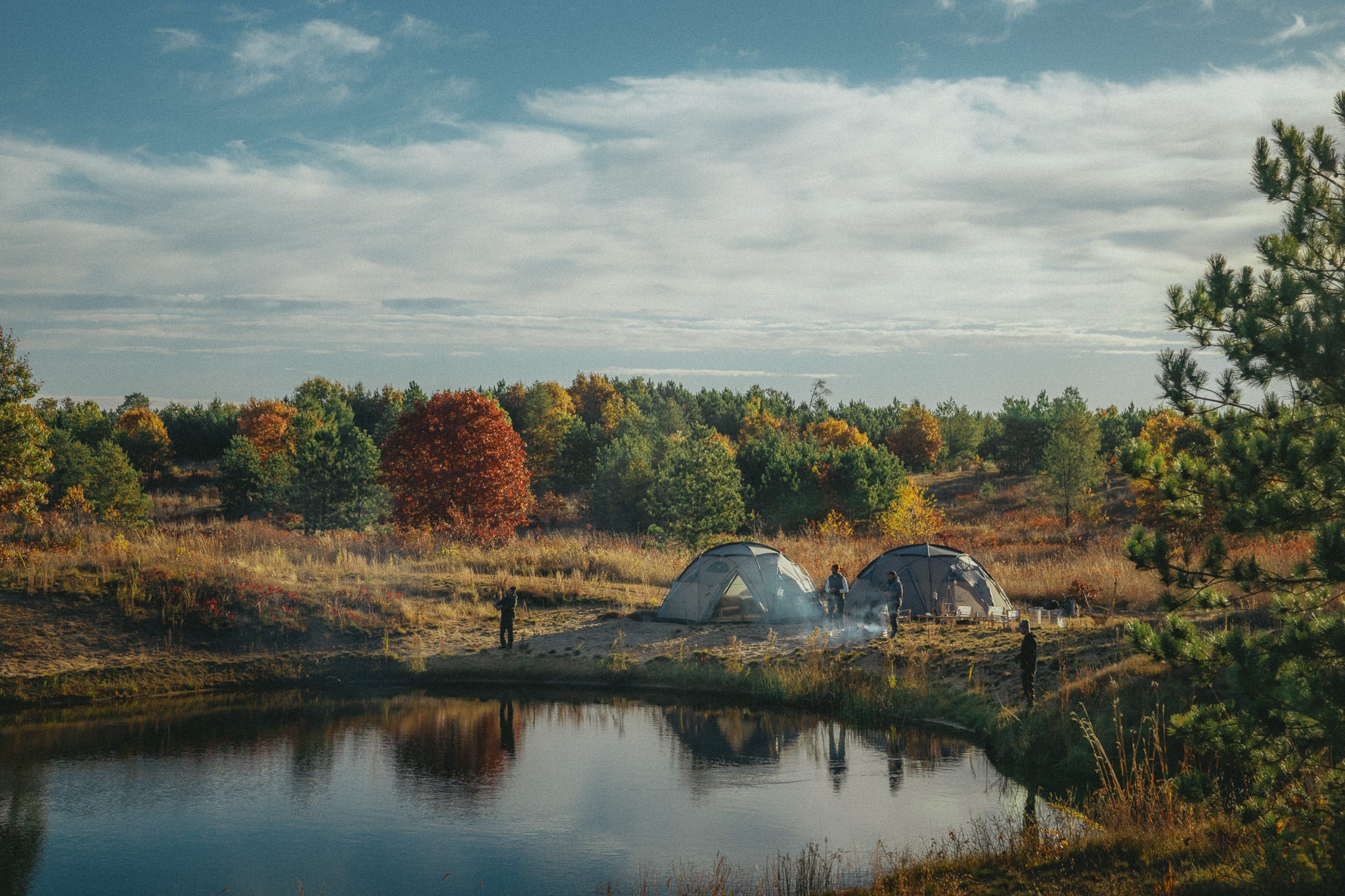
You may know the Sentinel Scout Cases for rangefinders or the brand’s awesome MacKenzie SMUs, but today it’s launching the second installment of its Basecamp Expedition series. The new capsule includes rain gear, lightweight carry bags, tents, and other accessories meant to bring together the worlds of camping, golf, and fishing.
I’ve been following Sentinel since its inception, but it didn’t occur to me until today what John Mooty is really building. He might not say this (and I did ask him what brands inspire him in our Q&A below), but it feels like he created an American Snow Peak, but for golf. John is also doing one of the hardest things in the world: taking inspiration from an existing category and then elevating it. I should also point out that I’m endlessly energized by Mooty’s ability to create something unique. I don’t want to hold back in my praise for Sentinel because, to me, it’s the most inspiring independent brand in golf. Why even restrict it? Sentinel is one of the most creative businesses I have seen launch in the past five years across any category. It’s considered, interesting, fresh, and cohesive. It makes things that work well, prioritizes good materials, and promotes domestic manufacturing. It’s sophisticated, functional and unique. What else do we really need in a brand?
The campaign video (see below) and the outdoor adventure were captured at Sand Valley this fall. It represents the bridge between all of these leisure activities and shows how much ground good product concepts can cover. This expression of Sentinel is exactly why the brand has me in a chokehold. I love everything about this and wanted to talk to Sentinel Founder John Mooty more about this launch and the inspiration driving the brand. Scroll to read our Q&A.


ACL: What were you looking at for inspiration for Basecamp in terms of activities, things outside of golf?
John Mooty: It came from the idea of just building an itinerary that sounded like the most fun trip to leave the house for. Some of my favorite trips with family or friends have revolved around camping, fishing, and golf. In Minnesota, we have the largest chain of interconnected lakes and over a million acres of protected wilderness called the Boundary Waters, where you have no choice but to camp, canoe, and fish all day. You also have no cell service, no planes flying overhead, and can drink the water under your canoe so the experience with the people you are with is very special. The Basecamp series tries to embody this feeling in the form of a golf trip.
ACL: Has Sentinel’s point of view evolved since you started?
JM: Since it started, the project has always been about bringing new ideas, materials, and people into the golf space, not only to make it more interesting but to make it more fun. That is still the best part for me, but in terms of evolution, the most enjoyable challenge is exploring the boundaries (or lack thereof) beyond golf and how that can be done in both product and brand the right way, balancing innovation and tradition.
ACL: What are some other brands outside of golf that you love and that motivate you?
JM: F/CE, Norda, Saunders Militaria and Foreign Rider. I really enjoy how they all approach and appreciate both product and storytelling.
ACL: Where do you see golf style/gear going in the next five years?
JM: What I love seeing come to form in golf is the definition of so many great style lanes and interpretations of what people gravitate towards. People may not relate to every lane but my hope is they all can be appreciated and encouraged because without each one, golf would be back where it was.
ACL: Do you ever think Sentinel will move beyond just being golf-focused into more of a lifestyle space?
JM: Ideally, the assortment is always rooted in quality, story, and utility. If we can make gear that translates outside of golf into other sports with those things intact then I think it is worthy of and interesting to pursue.
ACL: Is Made in USA still important to you?
JM: Definitely, but it is also not an absolute requirement. Through the adventures of manufacturing/sourcing, it’s clear that there are positives and negatives, strengths and limitations to making things in different parts of the world. What is important to me at this point is finding the people who care the most about what they make, use the best inputs they can find, and do things the right way at all phases of the process. If that is here in the US, in Japan, Europe, or elsewhere, I am here for it.


